
Planning a ski or snowboarding adventure in Minnesota? Whether your child is in kindergarten, fifth grade, or a senior in high school, knowing what to wear skiing can make a big difference in their comfort and enjoyment on the slopes.
Minnesota winters can bring temperatures well below freezing, strong winds, and blowing snow. When kids head out for a full day of skiing or snowboarding, they need clothing that keeps them warm and dry from the first run to the last. And because at Blizzard they’re traveling by bus to different mountains and spending a full day away, they need to bring everything they’ll need with them.
The best approach is to dress your child for skiing or snowboarding in layers, prepare for changing weather, and pack extra clothing in case something gets wet. This ski layering guide covers what kids and teens should wear, how to dress children of different ages for cold weather, and what to pack for a full day on the mountain.
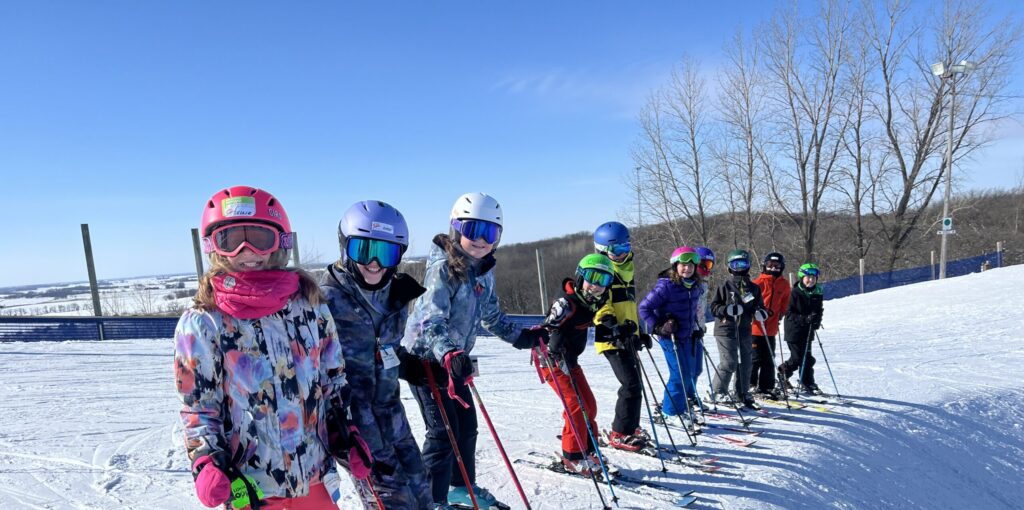
Ski Layering: What Does My Kid Need?
When deciding what to wear skiing in Minnesota, remember one important rule: It’s better to bring extra layers than to wish you had packed more.
Skiing and snowboarding involve a mix of physical activity and periods of standing still, waiting in line, or riding lifts. Kids may get sweaty while moving and cold when they stop. The right layers and ski clothes help regulate body temperature throughout the
day, keeping them comfortable and safe.
A good layering system has three main components.
1. Base Layers: Start With Thermals
Base layers sit next to the skin and help move sweat away from the body. Thermal shirts and long underwear made from polyester or merino wool are excellent options. Avoid cotton T-shirts, leggings, and long underwear as the primary base layer. Cotton absorbs moisture and dries slowly, which can leave kids feeling cold and uncomfortable.
For especially cold Minnesota days, choose midweight or heavyweight thermals. They should fit comfortably without restricting movement.
Socks are important as well. Socks specifically for skiing, such as merino wool, are recommended.
What to wear: A thermal top and bottoms under ski clothes. For particularly cold conditions, pack an extra base layer in case the first gets wet. Be sure to wear appropriate socks for skiing as well.
2. Mid-layer: Add Warmth and Insulation
The mid-layer traps warm air close to the body. Fleece jackets, wool sweaters, and lightweight insulated jackets are practical choices.
One fleece layer may be enough on a milder winter day, but kids may need an additional insulating layer when temperatures drop or wind chill increases. Several thinner layers are often more versatile than one bulky sweatshirt because they can be added or removed as needed.
Choose layers that fit comfortably beneath a ski jacket and allow free movement through the arms and shoulders.
What to wear: A fleece or insulating jacket, plus an additional lightweight warm layer for particularly cold days.
3. Outer Layers: Keep Wind and Snow Out
A ski jacket and snow pants protect kids from wind, snow, and moisture. Look for waterproof or water-resistant outerwear designed for winter sports, with enough room for underlying layers.
Insulated snow pants or bibs help keep legs warm and prevent snow from entering clothing when kids fall. Adjustable cuffs and secure closures provide additional protection.
What to wear: An insulated ski jacket, waterproof or water-resistant snow pants, and a helmet-compatible hood if available.
For Minnesota’s coldest days, weather protection is just as important as insulation. Wet clothing and wind can make kids uncomfortable quickly, even when they’re wearing several layers. Make sure your child’s ski gloves fit and are water resistant.
How To Dress a Child for Skiing at Any Age
Kids from kindergarten through high school have different needs when preparing for a ski or snowboarding trip. Younger children often need more help managing their clothing, while older teens may be more independent, but less likely to admit they’re cold.
Kindergarten Through Second Grade: Prioritize Warmth and Simplicity
Younger children may have difficulty recognizing when they’re getting too cold or explaining what they need. They may also struggle with putting on mittens, adjusting layers, or managing wet clothing independently.
Choose warm, easy-to-manage clothing and pack extra protection. Insulated snow pants or bibs, waterproof mittens, and a comfortable neck gaiter are especially helpful.
Label clothing with your child’s name to reduce the chances of lost gear. Before the trip, practice putting on helmets, mittens, and outerwear so your child knows how everything fits.
Remind younger kids to tell a trip leader or accompanying adult if they feel cold, have wet clothing, or experience numb fingers or toes. They shouldn’t feel they need to keep skiing if they’re uncomfortable.
Third Through Fifth Grade: Build Independence
By fifth grade, many kids can manage their own gear, but they may still need reminders to adjust their clothing and recognize when they need a break.
Kids this age may be eager to stay with their friends and reluctant to stop skiing because of cold hands or wet socks. Explain that staying warm is part of enjoying the day.
Pack spare mittens, socks, and a dry shirt or base layer. Teach kids how to add or remove layers when they’re sweating or feeling cold, and encourage them to tell a trip leader if they need help.
This is also a good age to introduce a packing checklist so kids can take more responsibility for preparing for their adventure.
Middle School and High School: Encourage Smart Choices
Older kids and teens may be experienced skiers or snowboarders and better equipped to manage their own clothing. However, they sometimes prioritize style and convenience over warmth.
A hoodie and jeans aren’t substitutes for thermal layers and snow pants. Encourage teens to dress for the weather rather than the appearance of their outfit.
They should wear moisture-wicking thermals, an insulating mid-layer, waterproof snow pants, and a warm ski jacket. An extra pair of gloves, spare socks, and another insulating layer can make a big difference when temperatures drop.
Older teens should also understand that experience on the slopes doesn’t make anyone immune to extreme cold. They need to recognize when they should warm up and communicate with a trip leader if they become uncomfortable or need assistance.
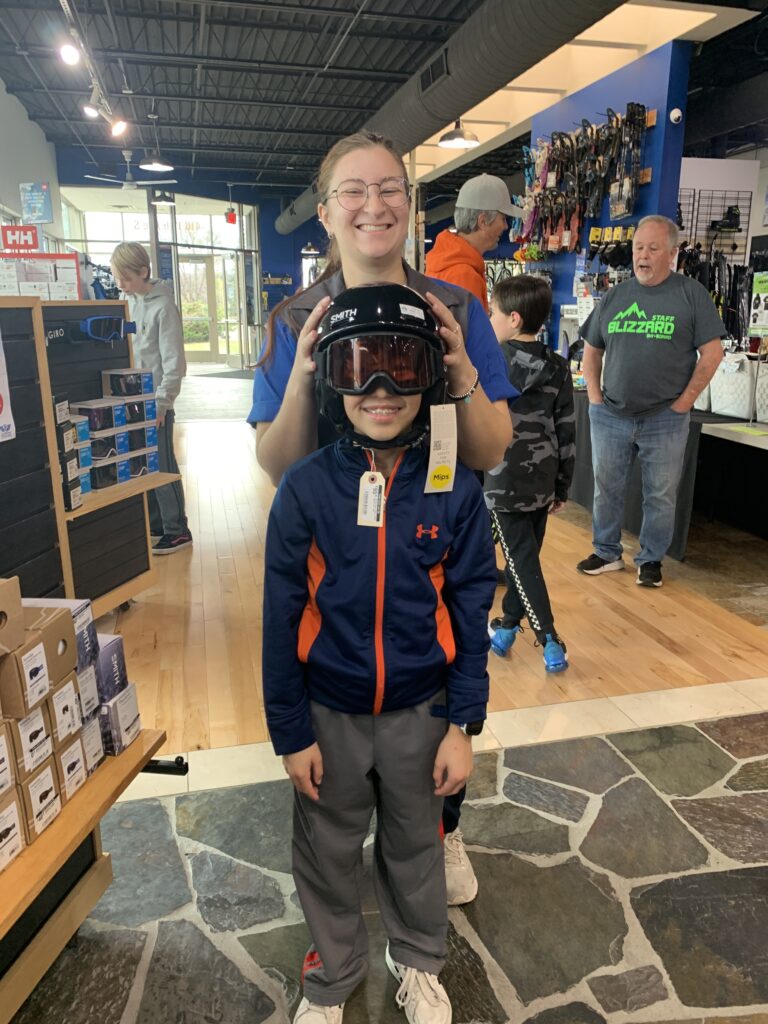
Cold Weather Ski Clothes Kids Need for All-Day Trips
Clothing is only part of staying warm. Kids also need to protect their hands, feet, head, and face from Minnesota’s winter conditions.
Gloves and mittens: Insulated, waterproof mittens are often a good choice for younger children because they help fingers share warmth. Older kids may prefer gloves for greater dexterity. Pack a spare pair in case the first pair gets wet.
Ski and snowboard socks: Wear one properly fitted pair of ski socks made from moisture-wicking materials. Multiple thick pairs can make boots too tight and restrict circulation, leaving feet colder rather than warmer.
Helmets and goggles: A properly fitted helmet is essential for protecting the head. Goggles shield eyes from wind, blowing snow, and bright sunlight reflecting off the snow. Make sure the two fit together comfortably.
Neck gaiters and face protection: A neck gaiter helps protect the neck and lower face from cold wind. Avoid loose scarves, and make sure face coverings don’t interfere with breathing, goggles, or helmet fit.
Hand and toe warmers: These can provide additional warmth when used according to product instructions. They should never replace properly insulated clothing or be placed directly against skin when the product instructions advise against it.
What Else Should Kids Bring on a Ski or Snowboarding Trip?
When kids travel by bus to a ski mountain and spend most of the day on the slopes, packing thoughtfully is essential. They may not be able to return to the bus or access extra belongings whenever they want, so it’s important to bring the basics from the start.
● Water: Bring a water bottle and drink regularly. Physical activity in cold weather can still lead to dehydration.
● Snacks: Pack easy-to-carry snacks, such as granola bars or crackers, if permitted. Snacks can help keep energy levels up between meals. Check with your ski instructors prior to departure to see if food is available for purchase at the ski location.
● Sunscreen and lip balm: Snow reflects sunlight, so exposed skin can still get sunburned in winter. Apply broad-spectrum SPF 30 or higher sunscreen and bring SPF lip balm.
● Spare clothing: Extra socks, mittens, and a dry shirt or base layer are useful if clothing gets wet.
● A small backpack: A compact backpack can hold snacks, water, extra layers, and other permitted personal items when the service allows students to carry one.
● Personal essentials: Label gear with the child’s name and follow the service’s instructions for medications, emergency contacts, money, and other required items.
Because Blizzard trips require kids to bring all their own equipment, rentals are not available on day trips. Before departure, check what equipment is available to rent at the mountain and what kids need to bring themselves. Make sure they understand which items should stay with them throughout the day and where their belongings will be stored.
Ski Trip Packing Checklist for Parents
Use this checklist before your child’s next Minnesota ski or snowboarding adventure.
● Skis, snowboard, and boots
● Thermal top and bottoms
● Fleece or insulating mid-layer
● Extra warm layer for cold conditions
● Insulated ski jacket
● Waterproof or water-resistant snow pants
● Ski or snowboard socks
● Spare socks
● Insulated, waterproof gloves or mittens
● Extra gloves or mittens
● Helmet and goggles
● Neck gaiter or face covering
● Sunscreen and SPF lip balm
● Water bottle
● Snacks, if permitted
● Dry clothing for emergencies or after skiing
● Small backpack, if allowed
● Required personal items and medications
Check the forecast and wind chill before the trip, and adjust clothing to match the conditions. If the weather is dangerously cold or visibility is poor, follow the ski service’s safety guidance and be prepared to limit time outdoors.
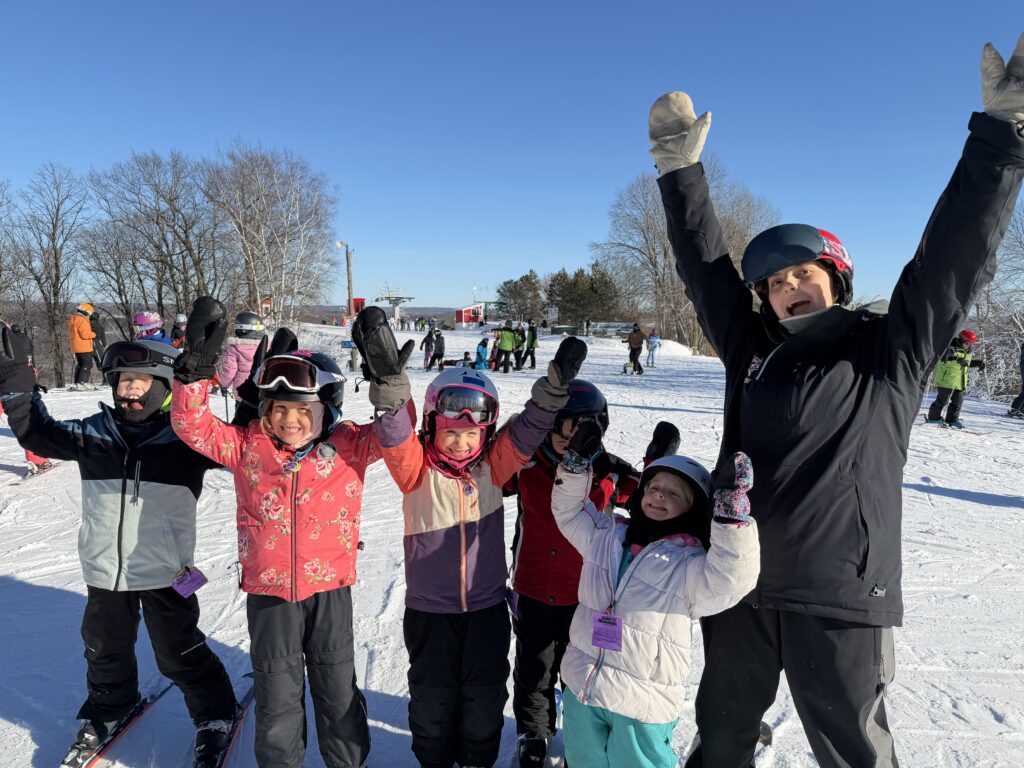
Get Ready for a Great Day on the Slopes
Knowing what to wear skiing in Minnesota starts with understanding the weather, choosing the right layers, and preparing for a full day outside. From kindergarteners who need help managing their mittens to high school seniors who can pack independently, every young skier and snowboarder benefits from warm clothing, waterproof outerwear, and extra gear.
When temperatures drop well below freezing, preparation matters. Pack more layers than you think your child will need, bring spare clothing, and remind them to speak up if they’re cold or uncomfortable.
With the right preparation, kids can spend less time worrying about the weather and more time learning new skills, building confidence, and enjoying a winter adventure on the mountain with Blizzard.